

9/3/2026
Is your Company in our Directory?

B2B Appointment Setting: Why Booked Isn’t Confirmed

8/19/2026
That distinction is critical in B2B appointment setting. The goal isn't simply to fill calendars. It's to connect sales teams with qualified buyers who can progress into real opportunities.
Quick Answer: B2B appointment setting identifies qualified prospects, reaches them through multiple channels, and schedules sales conversations. The most important metrics are meetings confirmed, held, qualified, and converted into pipeline—not meetings booked alone.
Why Booked Meetings Can Be Misleading
Booked-meeting volume can make a sales team look productive while hiding weak results.
A meeting that becomes a no-show still consumes SDR preparation, calendar space, and follow-up time. Even meetings that happen can underperform when prospects don't remember why they booked or arrive without enough context.
Instead of tracking only:
Meetings booked →
Track:
Booked → Confirmed → Held → Qualified → Opportunity → Closed
This progression provides a much clearer view of appointment-setting performance.
What Makes a Meeting Truly Confirmed?
A confirmed appointment is more than a calendar invitation.
The prospect should:
- Remember why the meeting was scheduled
- Understand the purpose and agenda
- Know what will be discussed
- Confirm attendance
- Understand the potential next step
Strong appointment-setting teams build confirmation into the process through relevant reminders, clear agendas, and timely follow-up.
Expert Tip: Move your reporting from meetings booked to meetings held and qualified. This shifts your team's focus from activity to outcomes.
Related: How Appointment Setting Can Help You Find The Right Clients
The Handoff Can Make or Break the Meeting
Even a confirmed appointment can lose value if the sales rep receives little context.
A strong SDR-to-AE handoff should include:
- Prospect pain points
- Business priorities
- Previous conversation details
- Qualification information
- Agreed next steps
- Other relevant stakeholders
The AE should never have to restart the conversation from scratch.
This is especially important because B2B buying decisions often involve multiple stakeholders. A successful first meeting should uncover who else influences the decision and what the buying process looks like.
Related: The Ins and Outs of Appointment Setting
Track the Journey Beyond the First Meeting
A sales appointment isn't the finish line. It's one stage in a longer revenue process:
First Meeting → Follow-Up → Opportunity → Pipeline → Win/Loss
B2B buying cycles can take months, so prospects who aren't ready today shouldn't automatically disappear from your pipeline.
Follow-up and reactivation are essential. A prospect who says "not now" can become a qualified opportunity later if your team stays relevant and maintains contact.
That's why meeting-to-opportunity conversion, sourced pipeline, and win rate are more meaningful than meeting volume alone.
How to Measure Appointment-Setting ROI
Whether you build your SDR operation internally or outsource it, focus on metrics that connect appointments to revenue.
- Cost per held meeting – Measure the actual cost of meetings that take place.
- Meeting-to-opportunity conversion – Determine how many held meetings become qualified opportunities.
- Pipeline generated – Track the value of opportunities sourced through appointment setting.
- Win rate – Compare appointment-sourced opportunities with other pipeline sources.
- Time to value – Measure how quickly the program begins producing productive sales conversations.
These metrics help reveal whether your appointment-setting strategy is generating pipeline or simply filling calendars.
Related: Understanding B2B Appointment Setting Pricing
Choosing a B2B Appointment Setting Partner
When comparing providers, don't ask only:
"How many meetings can you book?"
Ask:
"What happens between the moment the meeting is booked and the moment my sales rep joins the call?"
The answer can reveal whether you're buying booked meetings or building qualified sales opportunities.
Look for a partner that qualifies prospects, confirms appointments, provides useful handoff information, and tracks meetings through the sales funnel.
This is the approach behind Callbox, where appointments are treated as part of the revenue journey rather than isolated calendar events.
See why Callbox appointment setting services are trusted by B2B companies.
Other articles and publications:
Healthcare appointment setting improves by verifying your target list of clinical, IT, procurement, and decision-makers, tailoring messaging each buyer's specific concern, and qualifying every meeting

Four verified Clutch reviews in August 2026 rated Callbox 4.0–5.0/5, citing more sales meetings, 20+ bookings, webinar registrations, and increased inbound leads.
8/25/2026

RPA vendors need more than generic appointment setting. The right partner should understand technical products, enterprise buying committees, and the longer sales cycles common in automation.
9/29/2026

Buyers research vendors long before they speak with sales. Decision-makers ignore generic emails, reject unknown numbers, and spend less time than ever engaging with outbound outreach.
7/17/2026

Telecom lead generation helps companies identify qualified prospects, engage key stakeholders, and book relevant sales meetings. With the right strategy, sales teams can spend less time prospecting.
10/12/2026

The best B2B appointment setting companies now act as growth partners. They combine people, technology, analytics, and compliance to create predictable, high-quality sales conversations.
1/5/2026
Articles and publications of other companies:
For a free consultation for your B2B lead generation needs, Call us at 1-888.257.9162 or Email us at info@vsynergize. com
6/15/2020
VSynergize, a B2B lead generation company in California offers lead generation, demand generation, call center services and advanced IT/back office solutions.
5/25/2020
In order to sell effectively, you’ll need to constantly generate high-quality leads that you can convert to customers: leads that your salespeople can take, contact, meet and make sales with.
5/25/2020
Conquering Complex Sales implements a validated method for building success with high value, competitive business possibilities. To know more or for any assistance reach us on 855-203-8196
6/15/2020
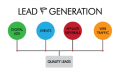
VSynergize, a B2B lead generation company in California offers lead generation, demand generation, call center services and advanced IT/back office solutions.
5/25/2020
VSynergize, a B2B lead generation company in California offers lead generation, demand generation, call center services and advanced IT/back office solutions. Being a lead generation company
5/12/2020
Business details
- +1 (888) 810-7464
- 4924 Balboa Blvd., #353 Encino, CA USA 91316
- www.callboxinc.com/
Callbox helps businesses close more leads with AI + human expertise. A leading provider of lead generation services.
California
company, product and service directory
company, product and service directory
Business Network 2008-2026
All rights reserved
All rights reserved